Personalization isn't about tailoring everything to one person. For Nick and the team at Abbott Lyon, it's about finding the segments where a small change drives real results then rolling them out in a few clicks.
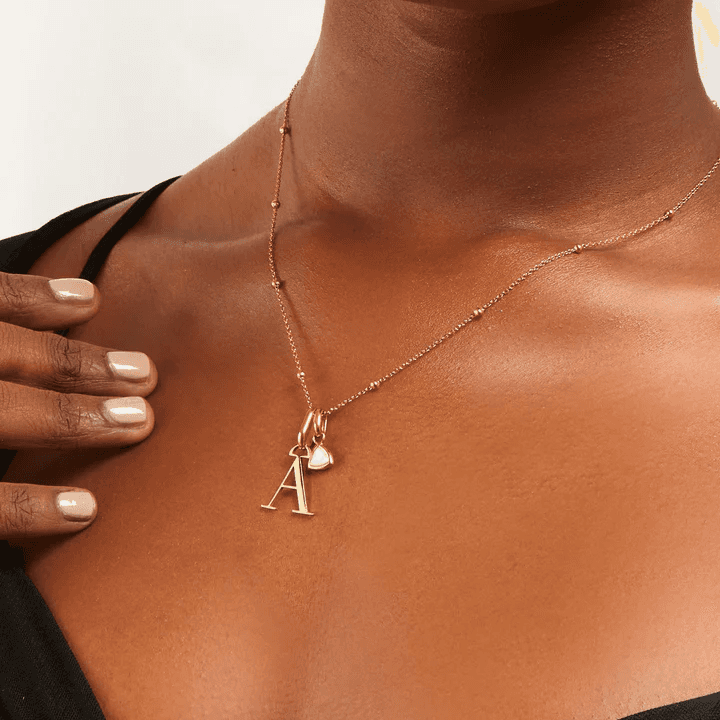

Abbott Lyon is a UK-based jewelry and accessories brand known for personalized pieces.
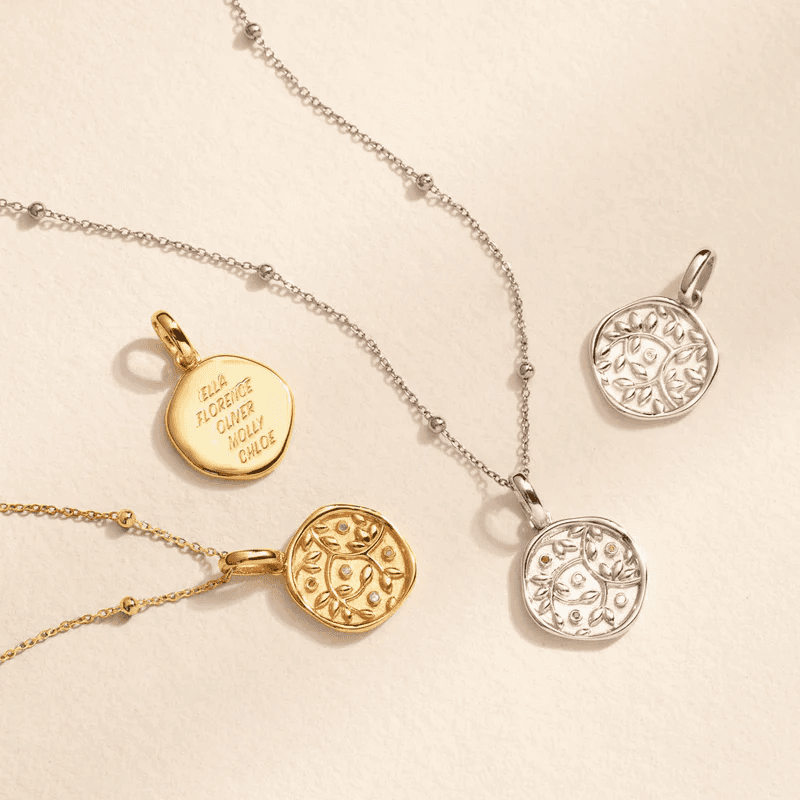
When most brands hear "personalization," they picture a hyper-tailored experience: every product, every message, every pixel customized to one individual. It's the dream state a lot of e-commerce teams aspire to.
But Nick Tefft, e-commerce manager at Abbott Lyon, sees it differently. For his team, personalization isn't about changing the entire site for each visitor. It's about using test data to find the segments and channels where a targeted change actually moves the needle, then rolling it out fast.
The result? Better experiences for each opportuniyy, without the complexity of managing a thousand individual journeys. Now, hear’s how Intelligems makes this approach possible, in Nick's own words.
When brands think about personalization, the instinct is to go all-in on content — swapping images, rewriting headlines, tailoring every element to the individual. Nick calls this the "Chelsea problem": picturing a customer named Chelsea landing on the site and seeing her name on every necklace, her birthstone on every pendant.
That's not where the real wins are. Nick and the Abbott Lyon team have learned that effective personalization often means going broader than you'd expect. Instead of personalizing to one person, they personalize to a channel or a segment. A test might show virtually no uplift across the board, but when you dig into the data by channel, you find that Google Shopping visitors respond to social proof while Instagram visitors don't need it at all. That's a personalization you can roll out on your site in a few clicks with Intelligems, and it hits enough people to actually matter.
"You could have a test that shows virtually no uplift, but if you get uplift for a certain channel, that's really a win that you can roll out on your website quite easily with Intelligems.”
Personalization at Abbott Lyon goes beyond content changes. Nick and the team use Intelligems to deploy targeted offers and pricing for specific business goals.
Every brand has inventory it needs to move. The typical playbook is a clearance section or sale banner. But for a premium brand like Abbott Lyon, that approach creates a problem: you're advertising markdowns to every visitor, including the ones who were perfectly happy paying full price.
Nick and the team use Intelligems personalizations to solve this. Instead of broadcasting clearance messaging across the entire site, they target it on specific PDPs. Shoppers browsing clearance categories or landing on specific product pages see adjusted pricing and relevant offers. Everyone else sees the full-price experience, untouched. The brand stays premium. The clearance inventory moves. And it all happens through Intelligems' visual editor without needing a developer to build custom logic.
"That clearance segment of your customer base will be seeing it, whereas it's not something you have to advertise on your strip banner or across your whole website. It's hitting your relevant customers at that key decision-making moment on site.”
If clearance personalization is about protecting premium positioning while moving inventory, the bridal launch at Abbott Lyon is the flip side: personalizing to drive higher spend.
When Abbott Lyon introduced their bridal collection, Nick's team used Intelligems to create a distinct experience for high-intent shoppers. Customers browsing engagement rings or wedding jewelry saw tailored messaging, dedicated signup prompts, and offers designed for bigger basket sizes. The goal wasn't to discount — it was to match the experience to the moment.
Bridal shoppers are making considered, emotional purchases. The personalization reflected that by giving them a more focused, curated journey instead of the standard browse-and-buy flow. Nick also connected Intelligems with Klaviyo segments, so the personalization carried through from email to on-site — the same customer who clicked a bridal email landed on a site experience built for them.
"When it comes to things like bridal, it's a really nice thing to have... you can personalize for them, you can also look at things from a Klaviyo segment perspective and personalize based on those email segments.”
Abbott Lyon is scaling their testing program with a focus on compounding what they learn. Each test generates insights that feed the next round of experiments. And with each round, the personalization opportunities multiply. Nick sees AI accelerating this cycle even further: more ideas generated faster, quicker test builds, and a higher rate of learning overall. The goal isn't to automate the strategy. It's to free up time to focus on the tests that could change the business while the smaller optimizations keep running in the background.
"Instead of being able to run one or two tests a month, maybe with AI you can roll out five, ten, fifteen, because you're able to build them a lot quicker. You're generating more ideas. And so your rate of learning will be increased.”